


by Allen J. Frank, Takoma Park, Maryland
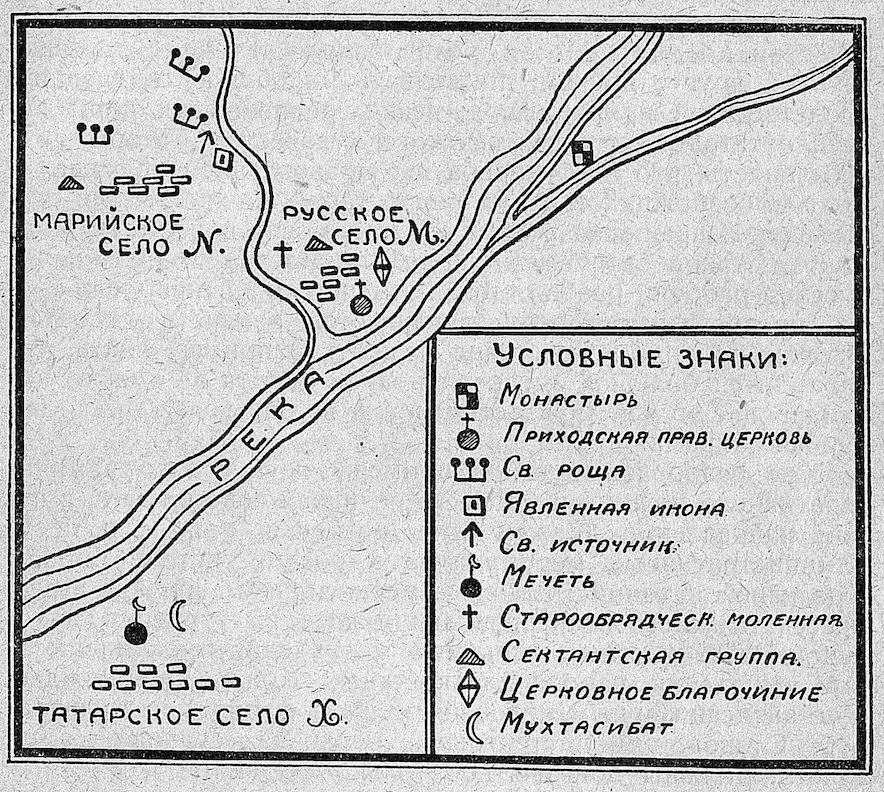
The Volga-Ural region in Russia (conveniently corresponding largely to the boundaries of the modern-day Volga Federal District in the Russian Federation) has long been recognized as a distinct historical and cultural region within Central Eurasia. This distinctiveness is evident in Islamic studies, in Russian history, in economic history, and in religious studies. The Volga-Ural region is today one of the most ethnically diverse regions of Russia, comprising speakers of Finno-Ugric and Turkic languages (in addition to Russian). An additional layer of religious diversity can be superimposed on the linguistic map, with adherents of Christianity (including Orthodox, Old-Believer, and Protestant), Islam, and a range of indigenous traditions referred to variously as “animist,” “pagan” or “unbaptized.” The ethnic map by no means corresponds neatly to the ethnic map, since the speakers of any given language can adhere to different religious traditions.
Against this backdrop of confessional and ethnic diversity we can discern a Volga-Ural religious tradition. It is evident in the midst of fluid confessional boundaries and explains much of the puzzlement that both Christian missionaries and Muslim reformists expressed at the persistence with which the region’s indigenous Christian and Muslim communities maintained what were and are still termed “pagan” religious practices. Characteristics of this tradition include collective ceremonialism centered around the agricultural calendar. With a few exceptions, these communities were agriculturalists. Other features of indigenous religious tradition include the veneration of trees and groves as part of this ceremonialism, and the maintenance of social and political bonds through this ceremonialism. We find indigenous Christians, Muslims, and “pagans” adhering to these religious ceremonies and concepts across time, albeit in differing degrees and emphasizing different religious features, based on different internal pressures within their confessions. That agricultural ceremonialism symbolically was closely linked to forests should not come as any surprise, since until the advent of deforestation policies, VUR peoples practiced slash-and-burn agriculture that depended on fertility from forest regeneration. Identifying this tradition is not to suggest that indigenous peoples were “really” animists or that Christianity or Islam was “superficial.” On the contrary, what enables us to discern this tradition is the manner in which it was Christianized or Islamized to enable these groups to survive and evolve socially, and sometimes politically.
The epicenter of this indigenous ceremonialism was the sacred grove, which was part of a larger phenomenon of sacred trees and forests. Sacred trees and groves are a global feature in the history of religion. In Russia, it is manifest not only in the Volga-Ural region, but in the Caucasus and Siberia, as well, where it evolved in different historical circumstances, involving different societies and symbolism, as well as different natural environments. The persistence of indigenous religion, down to the present day, is most attributable, in my view, to its connection to social and sometimes political organization. In other words, this was a religious tradition in which social cohesion was connected, sometimes very explicitly, to the community’s religious relationship to the forest. It was a major factor in enabling resistance to assimilation, especially among Christianized communities. The central premise of this study is that this relationship to trees and forests distinctly shaped the religious and social lives of indigenous peoples of the region in ways were historically conditioned, and that distinguished the region within Russia, from other regions of Central Eurasia.
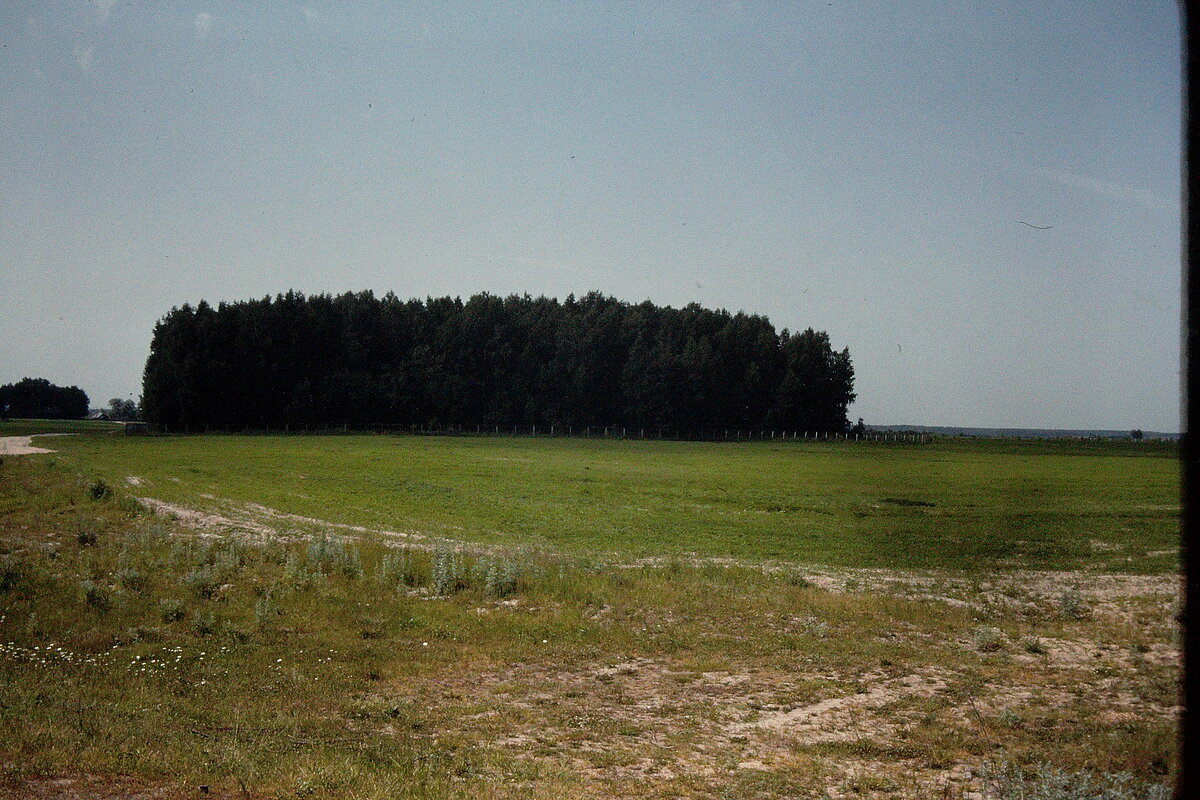
The religious relationship to trees among these indigenous people was broadly similar in its main features. Indigenous people maintained similar codes of behavior toward living trees and sacred groves. They shared practices and beliefs about different tree species. In some cases, as among the Bashkirs, individual clans and tribes associated specific tree species as patron spirits of their community, with associated taboos, a tradition found in Central and South Siberia, especially in the Altai region. In Volga-Ural indigenous religion trees were living beings that communicated with each other and with people, and the ecological diversity of the forest was explicitly understood as a metaphor for human diversity with respect to language and religion. Tree and grove ceremonialism were believed to ensure abundance and life itself for the community, a belief that is repeated encountered in missionary accounts.
Just as the physical preservation of forests ensured social cohesion in religious and ethnic terms, deforestation functioned as both a form of economic exploitation and political and religious subjugation. Following the Russian conquest of the region, deforestation became an important ideological and economic tool in integrating the region and its inhabitants into new social relationships and forms of exploitation during the different stages of Russia’s historical development. In the 17th century we see deforestation as tool in feudal monastic colonization. In the Petrine era the state, including the Church, applied it more broadly in advancing the policies of Christianization and naval construction. Following the Great Reforms, deforestation formed part of the emergence of a capitalist economy. It also served as a metaphor in the implementation of Russification. Soviet policies regarding deforestation and sacred groves were in large measure a continuation of Imperial policies, only with different metaphors. Massive deforestation, efforts to physically destroy sacred groves in order to Christianize, Russify, and Sovietize the communities were evident in each of these historical periods. It is also important to understand how deforestation changed Volga-Ural indigenous religion, how these communities sustained social and communal integrity centered on trees and forests in the face of deforestation, and how they developed and sometimes implemented their own visions of reforestation.
We can look at it as both a physical and as a symbolic, religious, act. It is necessary to understand what cutting down trees meant to the indigenous communities who held trees and forests as both a vital economic resource and as sacred beings directly contributing to their social cohesion and effectively balancing the universe according to their conceptions. We can speak of three aspects of deforestation, all of which stemmed from state policies and ideology that resulted in the desacralization of the forest as a whole. First of these is sacred deforestation, which involves the symbolic or physical destruction of sacred trees and sacred groves. It is linked above all to the general aim of the desacralization of the forest as a whole. Sacred deforestation was above all a specialty of the Russian Orthodox Church, although state authorities also participated. To the degree that the commodification of forests, trees and wood itself was a type of desacralization, whether under the conditions of capitalism or Soviet materialism, we can also consider those processes an aspect of sacred deforestation.
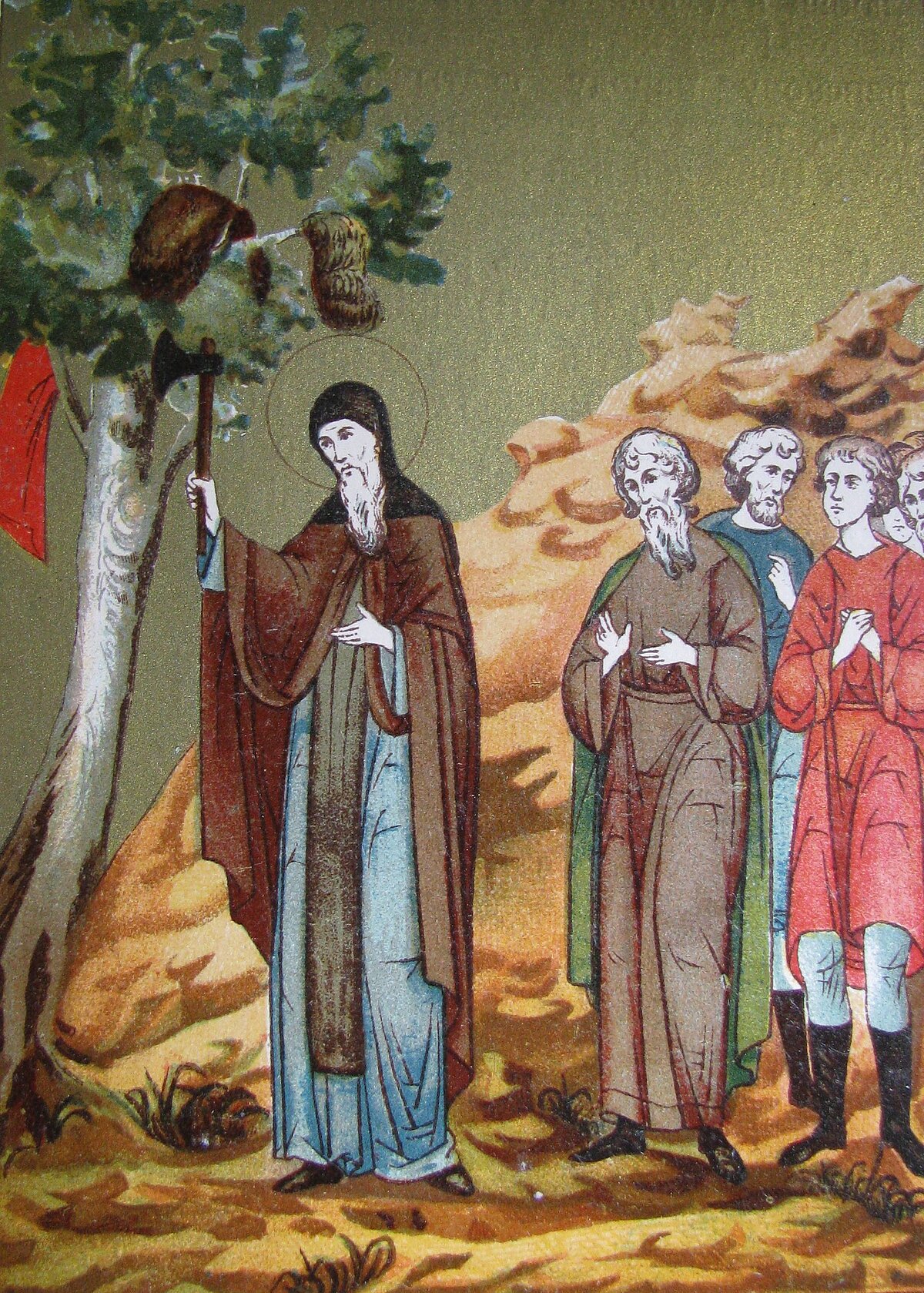
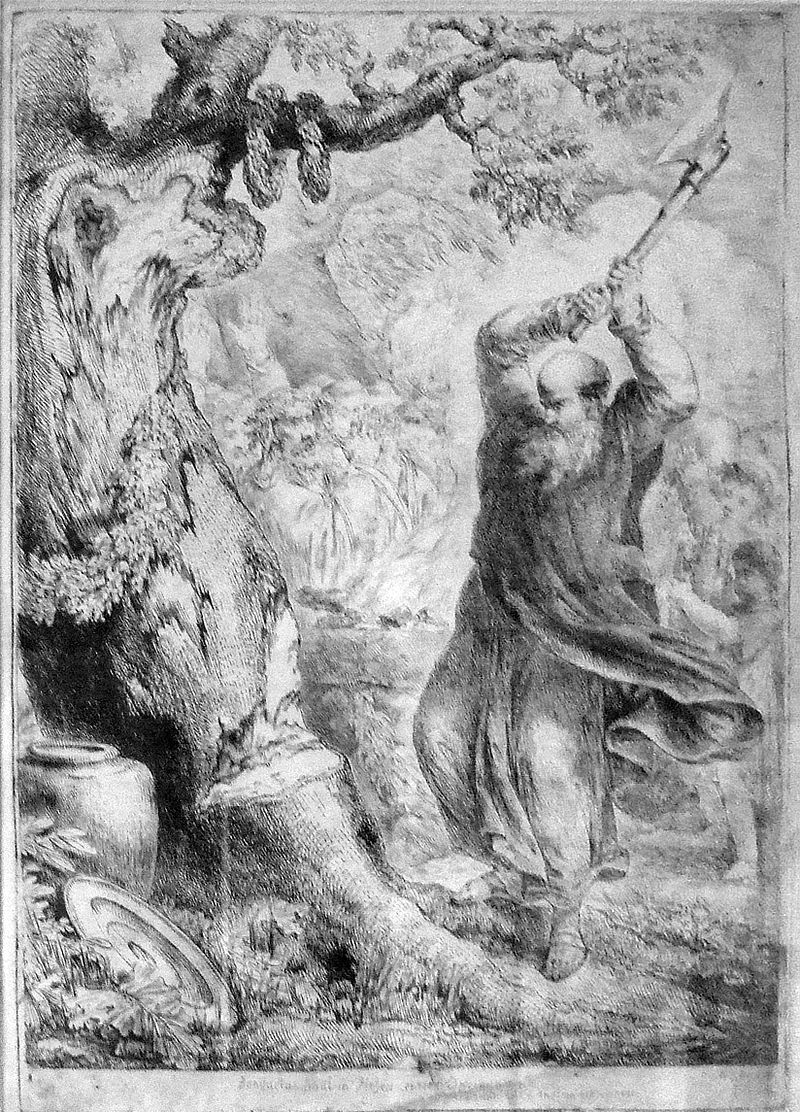
The religious expression of sacred deforestation appears as conversion narratives in which a Christian saint, usually a missionary, dramatically cuts down a sacred tree or an entire grove, and effects the conversion of the former worshippers. This type of story is common in Christian iconography and hagiography, and first appears in late antiquity. The first Russian example of this story is the account of how St. Stephen of Perm cut down the sacred birch of the Permians at the end of the 14th century, resulting in the creation of the Orthodox Komi people. Although the site of that conversion lies beyond the Volga-Ural region, for the Russian Orthodox Church it nevertheless became the template for sacred deforestation. A similar account dates from the late 16th century. It set along the Kama River, in the Urals, when St. Trifon of Viatka cuts down a sacred tree of the “Ostyaks,” although the consensus today is that this was a site inhabited by Muslims. The deeds of Stephen of Perm and Trifon of Viatka became examples for sacred grove destruction when large scale conversions of indigenous peoples to Christianity began in the first half of the 18th century, carried out either by missionaries, kolkhoz chairmen, or atheist activists in the Soviet era. Moreover, in the 19th and 20th centuries translations of the Life of Stephen of Perm appeared in local languages, and were widely distributed. In the 18th, 19th, and 20th centuries missionaries explicitly imitated these earlier saints to cut down sacred trees, groves, and clan shrines, and many indigenous Christians cut down their own sacred groves, sometimes using the wood to build their own churches and monasteries, turning deforestation into a type of Christian transformation.
A second sort of deforestation was the exclusion of indigenous communities from using the forest. This policy began with the establishment of monasteries in the forests in the 17th century as strongpoints for the establishment of feudalism in the region. The monasteries commonly claimed large swathes of forest which previously were owned communally, or not “owned” at all in any modern sense. They also claimed forest resources, like wild beehives and trapping grounds. This expanded during the reign of Peter the Great, when forests were reserved for use in shipbuilding, and the oak forests became entirely state-owned. Following the Great Reforms, emancipated peasants were for the most part granted insufficient forest resources often in exchange for larger quantities of arable land. Following the great reforms, forest conservation measures, which aimed at rationalizing timber resources, were yet another type of deforestation. Conservation measures were enforced with a range of punitive legal sanctions on peasant communities who lived in the midst of these forests and who, rightly perceived as a sort of punitive deprivation.
The third type of deforestation was the physical destruction of trees and forests. What makes this process relevant from the perspective of indigenous religion is that the Russian and Soviet authorities conducted this sort of deforestation using indigenous labor, that was forcibly extracted from the communities using labor mobilization based on differing political and economic systems. In other words, it was mainly the indigenous people themselves who cut down the forests. Already the 16th century new feudal arrangements compelled Udmurts and Tatars in the Glazov region, in what it today northern Udmurtia, to clear forest to create fields for growing cereal crops, with which they paid their taxes. Peter the Great created an entire indigenous logging estate, known as the lashmans, who were compelled to cut and haul timber for the Admiralty to build ships. Peter also gave away huge quantities of forest in the Urals for the development of copper and iron production, fueled with charcoal, leading to the vast destruction of Udmurt and Bashkir forests. On the Right bank of the Volga potash production led to the destruction of hardwood forests. The peak of deforestation occurred during the Imperial period, during Russia’s industrialization.
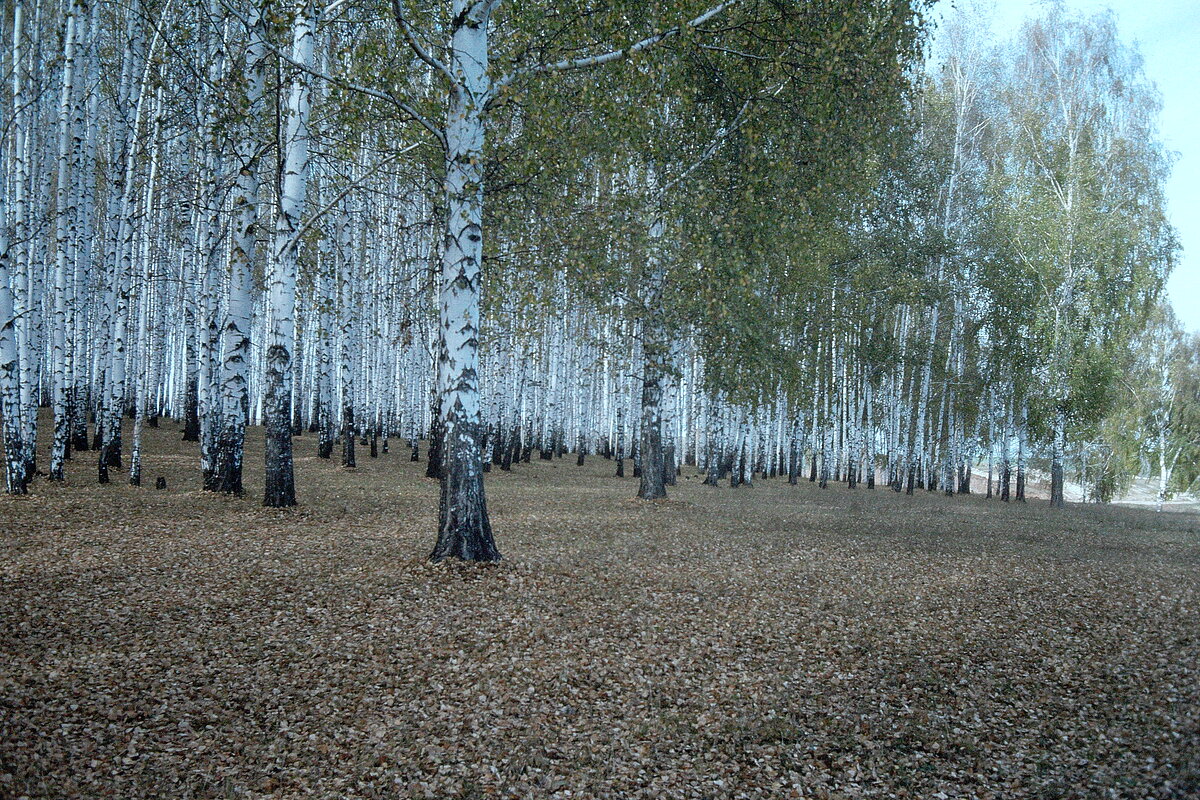
How did indigenous communities react to these varieties of deforestation and how did they resist them? These indigenous communities sustained their cohesion by maintaining of their religious relationship to trees and forests and adapting indigenous ceremonialism to these changing pressures and conditions, in part by Christianizing and Islamizing them. It is by these means that they resisted assimilation and Russification. Resistance to deforestation could be passive or active. Fleeing into still-untouched forests themselves was one type of resistance, with important demographic consequences. We also find numerous examples of armed resistance in reaction to the destruction of sacred groves or Christianization.
The indigenous people also sought to redress the imbalances caused by deforestation by invoking reforestation in both material and sacred terms. In contrast to Christian stories of sacred deforestation, 18th and 19th century Muslim conversion narratives from the Volga-Ural region Islamized the indigenous relationship to trees in a series of narratives depicting the conversion of the Bulghars. The most popular narrative has as its dramatic climax the miraculous generation of a green birch tree in wintertime by means of a staff given to a saint by the Prophet Muhammad. Similarly, indigenous Christians maintained their relationship to the forest by maintaining tree and grove ceremonialism through its Christianization, integrating the local clergy and linking it to the Church calendar.